
Introduction
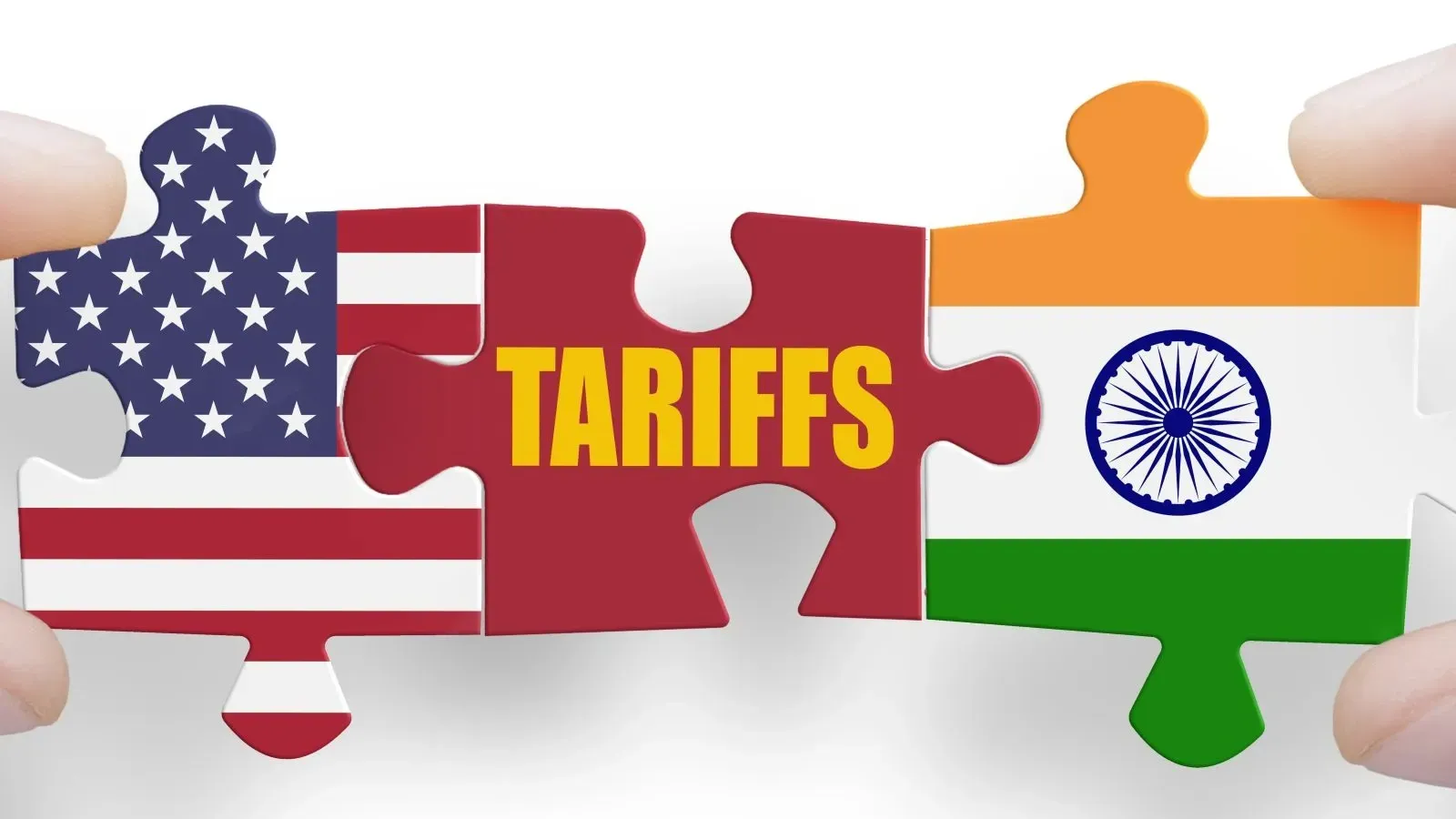
The India-U.S. tariff dispute has evolved into a key focal point of bilateral trade relations, with far-reaching implications for both economies, global trade order, and regional geopolitical dynamics. As the world’s two major economies and strategic partners, India and the United States have long maintained complementary trade ties, but tariff frictions have intensified since 2025, driven by factors such as trade imbalances, geopolitical considerations, and policy adjustments by both governments. This report focuses on the latest developments in the tariff dispute up to November 18, 2025, systematically sorts out its background, analyzes recent dynamics, and forecasts future trends, aiming to provide a professional reference for understanding the evolution of India-U.S. trade relations and their potential impacts.
Background
The roots of the India-U.S. tariff dispute can be traced back to long-standing trade imbalances and differences in market access policies. For years, the United States has been India’s largest trading partner, with bilateral trade volume reaching $186 billion in the 2024-25 fiscal year, of which India maintained a trade surplus of $41.2 billion, a significant increase from $35.3 billion in the previous fiscal year. This surplus has long been a concern for the U.S. government, which argues that India’s high tariff barriers and non-tariff restrictions hinder U.S. exports of agricultural products, medical equipment, and other goods.
The dispute escalated significantly in 2025 with the change in U.S. trade policy. The Trump administration, focusing on “fair trade” and reducing trade deficits, began imposing punitive tariffs on Indian exports. In April 2025, the U.S. government first imposed a 25% reciprocal tariff on Indian goods, and in August, it added an additional 25% punitive tariff, resulting in a total tariff rate of 50% on most Indian merchandise exports to the United States—a move that surprised the Indian government, which had expected to reach an early agreement to reduce tariffs. The U.S. also cited India’s strategic ties with Russia, particularly in energy and defense, as an additional reason for imposing tariffs, further straining bilateral trade relations.
India, in response, has adopted a combination of policy adjustments and diplomatic negotiations. While refusing to compromise on core interests such as energy cooperation with Russia, the Indian government has promoted structural reforms, including GST rationalization and deregulation, to mitigate the impact of U.S. tariffs on its economy. The two sides have held multiple rounds of trade negotiations since the second quarter of 2025, but differences on key issues have hindered substantial progress, laying the foundation for the latest developments in the dispute.
Latest Developments
Up to November 18, 2025, the India-U.S. tariff dispute remains in a state of “partial confrontation and continuous negotiations,” with no comprehensive resolution reached, but several key dynamics have emerged that shape the direction of the dispute.
First, U.S. tariff policies have remained tough but show signs of flexibility. The 50% tariff on most Indian exports has been formally implemented since August 27, 2025, severely impacting India’s labor-intensive export sectors such as textiles, garments, gems, and jewelry. However, on November 11, 2025, President Trump hinted at reducing tariff rates on India ahead of a potential trade deal, signaling a softening of the U.S. stance to promote negotiations. Meanwhile, three U.S. House of Representatives members introduced a resolution to terminate the national emergency declaration that imposed the 50% tariffs, reflecting internal differences within the U.S. political circle on the tariff policy toward India.
Second, India has gained unexpected leverage from strong export performance. Contrary to expectations, India’s exports to the U.S. jumped in November 2025 despite the steep tariffs, easing pressure on the Indian government to strike a hasty deal and enhancing its bargaining power in negotiations. India also firmly rejected U.S. accusations of “dumping” rice, clarifying that its rice exports are mainly high-value basmati rice, which does not pose a threat to U.S. domestic markets. Additionally, the Indian government has accelerated efforts to diversify its export markets, reducing its reliance on the U.S. market to mitigate tariff impacts.
Third, trade negotiations have made slow progress with focus on key areas. The two sides have held three rounds of formal negotiations since September 2025, focusing on tariff reduction, market access for agricultural and pharmaceutical products, and digital trade. India has proposed reducing tariffs on some U.S. agricultural products and medical equipment, while the U.S. has considered exempting certain Indian export sectors (such as pharmaceuticals) from the 50% tariff. However, differences remain on core issues: the U.S. insists that India reduce its trade surplus and adjust its energy policy toward Russia, while India refuses to link trade issues with geopolitical considerations, leading to a deadlock in negotiations as of November 18.
Fourth, the tariff dispute has had noticeable economic impacts on both sides. Moody’s predicts that the 50% U.S. tariff will reduce India’s 2026 fiscal year GDP growth rate by 0.3 percentage points, with India’s exports to the U.S. expected to drop sharply from $87 billion in 2025 to $49.6 billion in 2026. For the U.S., domestic consumers and businesses have faced higher prices for Indian imports, particularly in textiles and pharmaceutical sectors, triggering protests from relevant industries. U.S. agricultural exporters have also lost market share in India due to India’s retaliatory trade policies and market diversification efforts.
Future Outlook
The future of the India-U.S. tariff dispute will be shaped by a combination of economic interests, geopolitical factors, and domestic policy demands of both countries, with three possible trends emerging.
First, a phased agreement is likely in the short term. Given the mutual economic pressures from the tariff dispute, both sides have incentives to reach a partial agreement. It is expected that by the end of 2025 or early 2026, the U.S. may reduce tariffs on key Indian export sectors such as pharmaceuticals and electronics, while India may open its market wider to U.S. agricultural products and medical equipment. However, this agreement is likely to be partial and temporary, as core differences such as the trade surplus and India’s ties with Russia will not be fully resolved, leaving room for future frictions.
Second, the dispute may escalate if negotiations fail. If the two sides cannot bridge their differences in the short term, the U.S. may impose additional tariffs on Indian rice and other agricultural products, as threatened by President Trump in early December 2025. India may respond by further restricting U.S. exports and strengthening trade cooperation with other countries (such as the EU and ASEAN), leading to a prolonged tariff war that would damage the interests of both economies and disrupt global supply chains.
Third, long-term resolution depends on balancing trade and geopolitics. The root cause of the India-U.S. tariff dispute lies not only in trade imbalances but also in conflicting geopolitical interests. For a long-term solution, the U.S. needs to abandon its practice of linking trade issues with geopolitics and respect India’s independent foreign policy, while India needs to take measures to reduce the trade surplus and improve market access for U.S. goods. Additionally, the two sides can strengthen cooperation in emerging areas such as digital trade and renewable energy to offset frictions in traditional trade sectors, promoting the transformation of bilateral trade relations from “confrontation” to “cooperation and mutual benefit.”
In conclusion, the India-U.S. tariff dispute is a reflection of the contradictions between complementary trade interests and conflicting geopolitical demands. While short-term partial agreements may ease tensions, long-term stability in bilateral trade relations requires both sides to make pragmatic compromises and focus on mutual interests. The evolution of the dispute will not only affect the economic development of India and the United States but also have important implications for the global trade order and regional geopolitical pattern.