
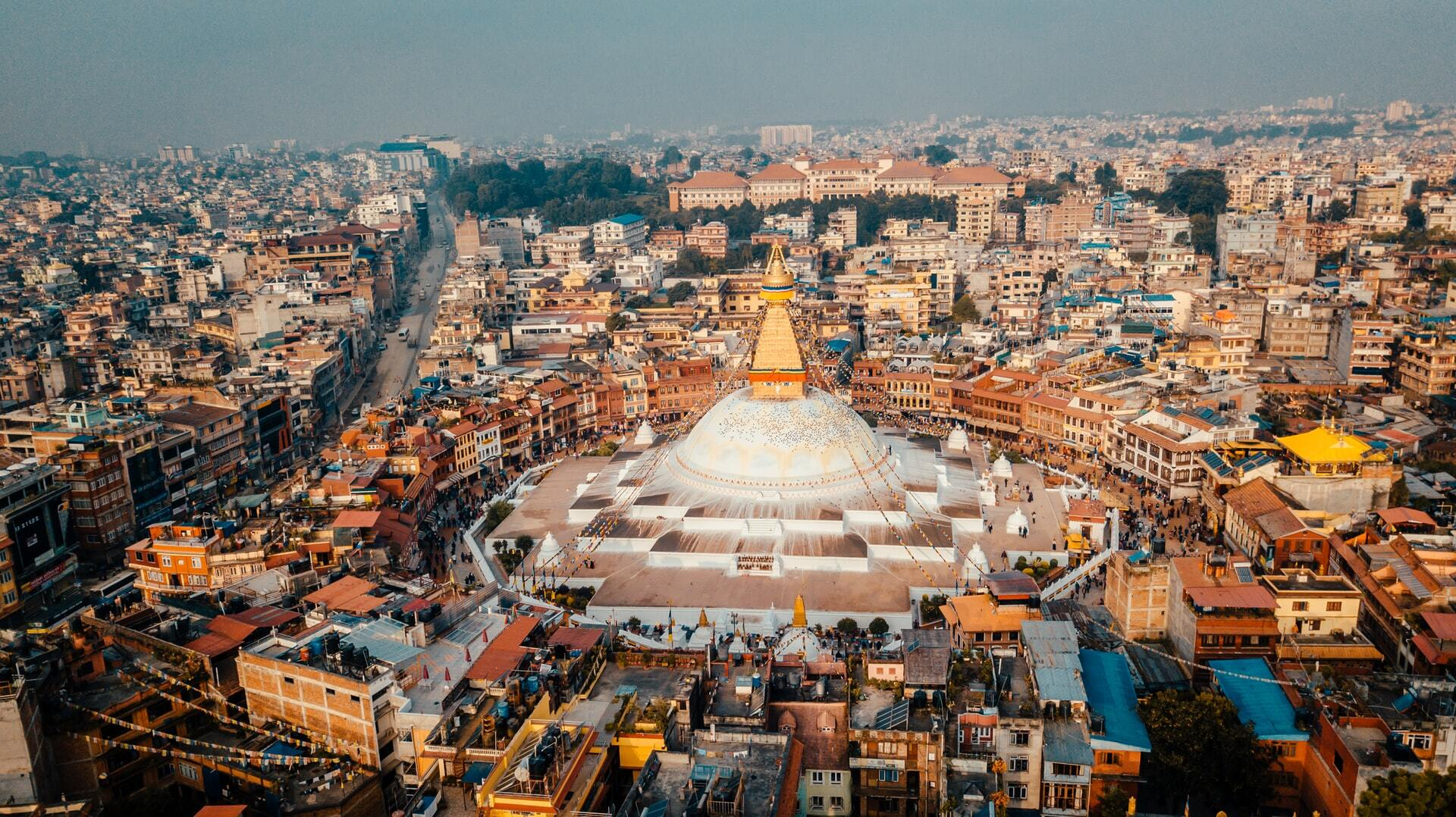
Nepal—once seen as a paradise—now faces deep political and economic challenges rooted in corruption, weak leadership, and decades of mis-governance. These issues have eroded culture, institutions, and the economy, caused mass migration, and stalled inclusive development. Despite its rich heritage and natural resources, Nepal urgently needs leadership that prioritizes national interests, accountability, and sustainable development.
The Rise of Gen-Z and Political Upheaval
The Gen-Z movement has brought a decisive turn to Nepal’s political landscape. The protests of Bhadra 23–24 shattered long-standing power networks and paved the way for an interim government under Sushila Karki, with parliamentary elections set for 21 Falgun 2082.
This movement hit the core of Nepal’s crony-capitalist system and forced long-avoided debates on governance, corruption, and generational leadership.
Despite this momentum, uncertainty persists. Nepal was already struggling with the economic fallout of the pandemic, high interest-rate pressures, weak credit demand, and sluggish markets. The protests further dented investor confidence.
Interim Government and Reform Opportunities
The Sushila Karki-led interim government—though short-lived—has the opportunity to begin long overdue reforms, supported by expert ministers like Rameshwor Khanal, Kulman Ghising, and Anil Kumar Sinha.
Priority reform areas include:
- Ending opaque political financing
- Restructuring the bureaucracy
- Developing digital public infrastructure
- Ensuring policy stability
- Investing in youth, technology, and green development
A stable policy environment and accountable governance are essential to turn crisis into opportunity.
World Bank Assessment
The World Bank forecasts Nepal’s economic growth to slow to 2.1% in FY26 due to instability. It warns that Nepal must drastically improve public investment management to sustain long-term growth.
Key reforms recommended:
- Stronger project planning and realistic budgeting
- Faster land acquisition and environmental clearances
- Improved cash management and timely fund disbursement
- Modern, transparent procurement laws
The September unrest strained public finances, hampered reconstruction, and shifted administrative focus toward crisis management and elections.
Economic Context of the Gen-Z Movement
Decades of political patronage entrenched a crony-capitalist structure. The movement broke this cycle and exposed public frustration—especially among youth.
Before the protests, the economy faced:
- High youth unemployment (especially educated youth)
- Investor uncertainty
- A politicized bureaucracy and weak policy execution
- A high corruption ranking (107/180 on the CPI)
Millions of young Nepalis migrated abroad for opportunities they could not find at home, draining the country’s labor force and innovation potential.
High-Level Economic Reform Commission
The Commission led by Finance Minister Rameshwor Khanal submitted a 447-page report outlining structural weaknesses and reform measures, including:
- Liberalizing outward FDI
- Enforcing fiscal discipline and limiting volatile social programs
- Reviewing the decades-old fixed exchange rate with India
- Scrapping outdated laws and promoting GDR-based investments
- Digitizing customs valuation systems to curb fake billing and invoice manipulation
Private Sector Expectations and Policy Predictability
The private sector is calling for stability and 5–6 years of policy predictability. The movement also triggered internal reforms within major parties such as Nepali Congress, UML, and Maoist Centre, where younger leaders are preparing to challenge entrenched leadership.
Political financing remains the root of corruption. The Commission recommends state funding for political parties based on transparent, performance-based criteria to reduce reliance on private donors.
Another proposal includes rationalizing parliamentary constituencies, questioning why Kathmandu has ten constituencies while Delhi has only seven despite a far larger population.
Debt, Youth Potential, and Innovation
Nepal’s public debt—estimated at $20–27 billion—requires around Rs 400 billion annually for servicing, an unsustainable burden.
With nearly 40% of the population under 30, youth are Nepal’s greatest yet underutilized asset. However, startups face hurdles such as licensing delays, unpredictable taxes, and bureaucratic barriers.
Nepal’s IT sector currently exports $515 million, with potential to surpass $1 billion with supportive policies.
Digital Coordination and Trust Crisis
The Gen-Z movement demonstrated the power of a leaderless but digitally coordinated “hive mind.” Their demands centered on ending restrictions on social media, fighting corruption, prioritizing economic development, and establishing digital-friendly governance.
However, investor trust has weakened due to political instability and poor service delivery.
Future Economic Direction
Key future priorities include:
- Youth-first policies for startups, digital entrepreneurship, and green economy
- Aligning education with employment
- Expanding the digital, fintech, and creator economy
- Developing long-term skills in AI, data science, and cybersecurity
- Attracting private investment in renewable energy, agro-tech, and waste-to-energy
Institutional reform is essential. “Quick wins” in transparency, SME support, and job creation can rapidly rebuild trust.
Inclusive AI and the Informal Workforce
Nepal must build an AI roadmap centered on inclusion. Nearly 80% of Nepal’s GDP comes from the informal sector, yet these workers—carpenters, weavers, street vendors, domestic workers—are often left out of technological planning.
Transformation requires:
- Whole-of-government coordination
- Private-sector innovation
- Academic research focused on real problems
- Civil society safeguards for vulnerable groups
Only such collaboration can ensure technology uplifts the many, not just the privileged few.
A Moment of Opportunity
Nepal’s youth are digitally connected, entrepreneurs are resilient, and reform-oriented leaders exist. The private sector is willing to engage. With good governance, predictable policies, and citizen participation, Nepal can transform today’s crisis into a foundation for long-term prosperity.
Reposted from mypeoplesreview.com/2025/12/03/nepals-political-and-economic-situation-past-gen-z-and-future-vision/